


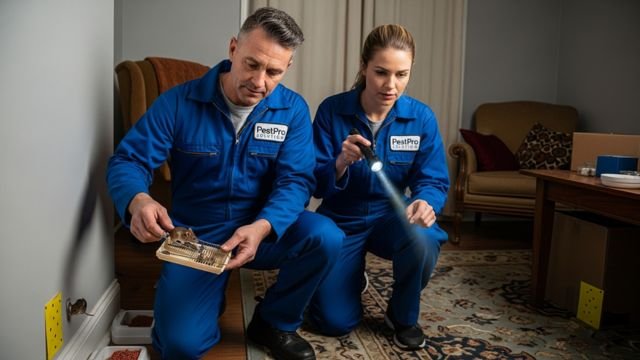
Mice are more than just an unpleasant sight. Once they enter a home or business, they multiply quickly, contaminate food, and damage walls, wiring, and insulation. Many people try random solutions and get frustrated when nothing seems to work. The truth is that effective pest control mice trapping requires the right techniques, proper placement, and an understanding of mouse behavior. When done correctly, trapping can be one of the most reliable ways to control a mouse problem.
Why Trapping Is Still One of the Most Reliable Methods
Trapping remains a preferred solution for pest control mice because it provides immediate, visible results. Unlike poisons, traps allow you to confirm that mice have been caught and removed. This reduces the risk of dead rodents hidden inside walls, which can cause odors and hygiene issues. Traps also give insight into how severe the infestation is and where mice are traveling, making it easier to adjust your strategy.
Another advantage of trapping is safety. When used correctly, traps limit exposure to harmful chemicals, making them suitable for homes with children, pets, or food preparation areas.
Understanding Mouse Behavior Improves Trapping Success
Successful pest control mice trapping starts with knowing how mice move and think. Mice rarely travel in open spaces. They prefer to stay close to walls, corners, and hidden pathways where they feel protected. They are also curious but cautious, often inspecting new objects before approaching them.
Mice rely heavily on scent and memory, which means traps placed along established routes are far more effective than those set randomly. Recognizing droppings, grease marks, and gnawing signs helps identify the best trap locations.
Snap Traps That Deliver Fast Results
Snap traps are one of the most trusted tools in pest control mice management. When properly set, they kill mice instantly, making them both effective and humane. The key to success with snap traps lies in correct placement and baiting.
Traps should be positioned perpendicular to walls with the trigger end facing the wall, as mice usually run alongside surfaces. Using attractive but small amounts of bait encourages the mouse to trigger the mechanism without stealing food. Peanut butter, chocolate spreads, or soft cheese tend to work well because they have strong scents and are difficult for mice to remove without activating the trap.
Glue Traps and Their Limitations
Glue traps are sometimes used for pest control mice, especially in areas where snap traps are difficult to place. These traps capture mice as they walk across a sticky surface. While they can be effective, they require frequent monitoring, as trapped mice may suffer for extended periods if not handled promptly.
Glue traps work best in controlled environments such as storage rooms or behind appliances. They are less suitable for large infestations and should be used with care, especially in homes with pets.
Live Traps for Humane Control
For those who prefer a non-lethal option, live traps are an alternative in pest control mice strategies. These traps capture mice without killing them, allowing for relocation. While humane in intention, live trapping requires responsibility.
Captured mice must be released far from the property, or they may return. Live traps also need daily checks to prevent stress or dehydration. They are best used for small infestations or in situations where lethal methods are not acceptable.
The Importance of Proper Trap Placement
Even the best traps will fail if placed incorrectly. Pest control mice trapping depends heavily on location. Traps should be set where mouse activity is highest, such as near droppings, behind appliances, inside cabinets, and along baseboards.
Using multiple traps increases success, especially during the early stages of an infestation. Mice reproduce rapidly, so addressing the problem quickly prevents it from escalating.
Combining Trapping with Prevention Measures
Trapping alone is not enough for long-term pest control mice management. Once mice are removed, entry points must be sealed to stop new ones from getting inside. Small gaps around doors, pipes, and vents should be closed, as mice can squeeze through surprisingly tiny openings.
Food storage also plays a major role. Keeping food in sealed containers, cleaning crumbs regularly, and reducing clutter eliminates attractants that encourage mice to stay.
Professional Trapping for Persistent Problems
In cases where traps fail to control the infestation, professional services can make a difference. Experts understand advanced pest control mice techniques and can identify hidden nesting areas that homeowners often miss. Companies such as The Pied Piper apply proven trapping strategies along with inspections and prevention plans to ensure lasting results.
Professional intervention is especially helpful in commercial spaces, where health regulations and reputation are at stake.
Making Trapping Work Long Term
Effective pest control mice trapping is about consistency, observation, and adjustment. Checking traps regularly, changing bait when needed, and repositioning traps based on activity keeps the process effective. Patience is essential, as some mice may take time to approach traps.
When trapping is combined with cleanliness and structural maintenance, it becomes a powerful solution. By using the right techniques and understanding mouse behavior, trapping can truly work, helping protect your space from ongoing rodent problems and restoring peace of mind.


