


Understanding the psychological factors that drive gambling behavior in casinos
The Allure of Chance and Uncertainty
Gambling in casinos draws individuals in largely due to the allure of chance and uncertainty. The thrill of not knowing whether one will win or lose can trigger a rush of adrenaline, making it an exhilarating experience. The unpredictability associated with games of chance can create a sense of excitement and anticipation, causing players to come back for more. This desire to experience that thrill often overshadows rational thought, making players more susceptible to gambling behaviors. If you want to explore more about this fascinating topic, visit https://ice-fishing-game.uk.net/ for additional insights.
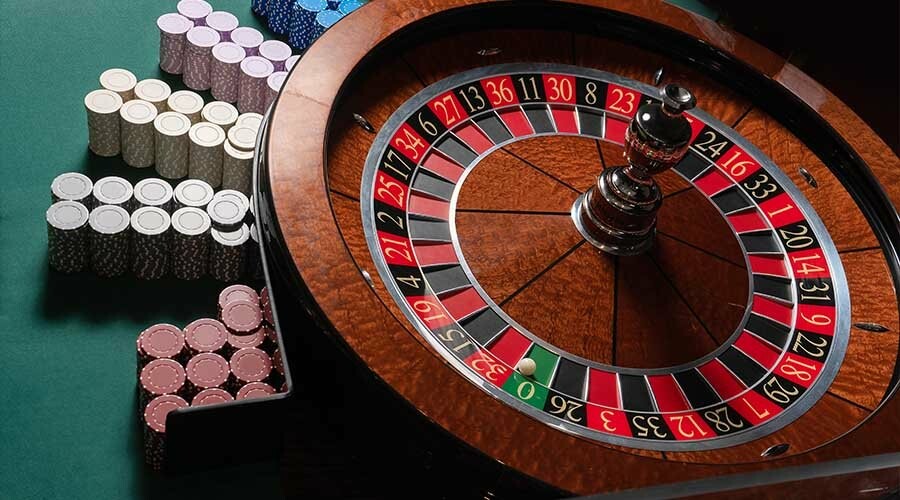
Moreover, the psychological principle known as “variable reinforcement” plays a significant role in this allure. When individuals receive unpredictable rewards, their brains release dopamine, the chemical associated with pleasure and reinforcement. This effect can condition them to keep returning to the casino, hoping to capture that elusive high from a significant win. Consequently, the mental highs associated with big wins can overshadow the potential for losses, leading players to chase those fleeting moments of success.
The design of casinos also caters to this psychological phenomenon. By creating an immersive environment filled with bright lights, engaging sounds, and enticing visuals, casinos amplify the excitement surrounding gambling. This sensory stimulation can heighten emotional responses, making the experience feel more intense and compelling. As a result, players may find it hard to resist the urge to continue playing, despite any rational reservations they may have.
The Role of Social Influences
Social influences significantly impact gambling behavior within casinos. For many, gambling is not solely an individual endeavor but a social activity that fosters connections. Group dynamics can create an exhilarating atmosphere where individuals feel encouraged to participate. Whether it’s sharing a laugh at the roulette table or celebrating a friend’s win, the social interaction can enhance the overall experience of gambling, leading players to engage more frequently.
Peer pressure can also play a crucial role in influencing gambling habits. If friends or family engage in gambling activities, individuals may feel compelled to join in, regardless of their personal beliefs about gambling. This can create a cycle where social circles reinforce gambling behavior, leading individuals deeper into a habit they may not have pursued alone. The shared stories of wins and losses among friends can further perpetuate the thrill of gambling, painting it as a rewarding experience.
Furthermore, the casino environment is designed to encourage social interaction. Many casinos have lounges, bars, and dining options where patrons can mingle. This design caters to the need for social connection, making gambling feel less isolated. As individuals form relationships centered around gambling, they may become more likely to partake in it regularly, further entrenching their behavior within a social framework.
Cognitive Biases and Misconceptions
Cognitive biases can significantly affect how individuals perceive their gambling experiences. One common misconception is the “gambler’s fallacy,” the belief that past events influence future outcomes in games of chance. For example, if a player has lost several games in a row, they may believe they are “due” for a win. This fallacy can lead to increased betting and more prolonged gambling sessions, as players seek to validate their beliefs.
Another cognitive bias is the “illusion of control,” where gamblers overestimate their ability to influence outcomes. Many players feel they can sway the result of a game through skill or strategy, particularly in games like poker or blackjack. This belief can lead to increased gambling frequency as players chase the idea that their decisions will lead to success, despite the inherent randomness of the game.
These cognitive biases are often reinforced by the design of casino games themselves. Many games are structured to make players feel as though they have agency over their outcomes, further entrenching these misconceptions. The combination of cognitive biases and the thrill of gambling creates a potent psychological driver that keeps individuals engaged, sometimes to their detriment.
The Emotional Rollercoaster of Winning and Losing
The emotional highs and lows associated with gambling play a pivotal role in driving behavior. Winning induces feelings of elation and success, which can be addictively pleasurable. When players experience a win, the surge of positive emotions can create a strong urge to continue playing, hoping to replicate that sensation. This emotional rollercoaster is a significant factor that keeps individuals returning to casinos.
Conversely, losing can provoke feelings of frustration and disappointment, leading some players to engage in “chasing losses.” This behavior occurs when individuals continue gambling in an attempt to recover lost funds, often resulting in even greater losses. The emotional response to losing can cloud judgment, prompting irrational decisions that perpetuate a cycle of gambling behavior. As individuals become engulfed in this cycle, it can lead to problematic gambling patterns.
Moreover, the emotional aspect of gambling can be influenced by external factors, such as peer dynamics and personal circumstances. Stressful situations or life changes may prompt individuals to gamble as a means of escape, further complicating their relationship with gambling. The intertwining of emotions and gambling behavior creates a compelling narrative that captivates players, highlighting the need for awareness and self-reflection.

Exploring Responsible Gambling Practices
Understanding the psychological factors driving gambling behavior is crucial for promoting responsible gambling practices. Education about cognitive biases, social influences, and emotional responses can empower players to make informed decisions. Raising awareness about the dangers of chasing losses and the gambler’s fallacy can help individuals recognize their patterns and take steps to mitigate negative behaviors.
Casino operators also play a pivotal role in fostering responsible gambling. Implementing features such as self-exclusion programs, deposit limits, and educational resources can create a safer gambling environment. Promoting awareness through advertising and messaging can help inform players about responsible gambling practices, encouraging them to view gaming as a form of entertainment rather than a means to generate income.
Creating a culture of responsible gambling requires collaboration between operators, players, and support organizations. By prioritizing mental health and well-being, the casino industry can contribute to healthier gambling habits. This holistic approach aims to balance the thrill of gaming with the necessity for self-awareness and personal accountability, fostering an environment where enjoyment can coexist with responsibility.

